
Summary
Haute couture fashion is evolving into something more intimate and expressive. Rooted in heritage craftsmanship yet shaped by modern silhouettes, today’s haute couture designs reflect culture, creativity, and personal style. No longer limited to spectacle, couture now celebrates tradition while shaping fashion that feels relevant, wearable, and deeply meaningful.
Introduction
Haute couture fashion has always existed in the space between imagination and craft, where clothing becomes an art form rather than simple attire. Defined by precision, hand-finished detail, and creative freedom, couture represents the highest expression of custom luxury fashion.
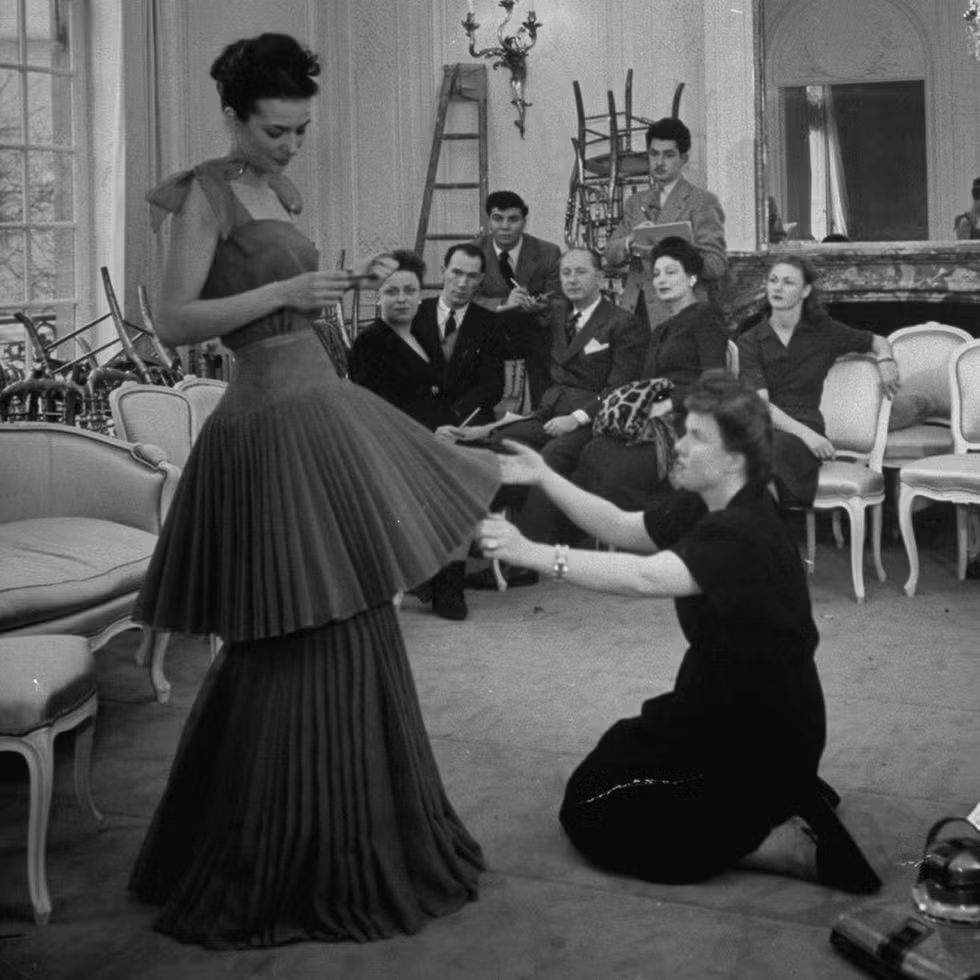
On global runways, haute couture dresses tell stories through dramatic silhouettes, intricate embellishments, and countless hours of unseen labour. What was once distant and dreamlike is now finding new relevance. From inspiration-led showcases to reinterpreted couture clothing, haute couture is moving from fantasy to forms that influence how we dress, feel, and express ourselves.
Haute Couture Clothing in 2026: When Fashion Meets Tradition

In 2026, haute couture fashion feels less like an unreachable dream and more like a living conversation about craftsmanship. This shift is especially visible in India, where heritage is not an accent but the starting line.
The mood is clear: honour tradition while giving it a sharper edge and a fresher rhythm. Luxury fashion houses and haute couture designers are rethinking how custom-made couture fits into modern wardrobes, blending timeless artistry with contemporary structure.
Haute Couture Clothing in 2026: Key Trends
Let Heritage Techniques Be the Hero
The strongest haute couture craftsmanship this year relies on handwork that carries history. Techniques such as zardozi, aari, gota, and resham remain central, but they are applied with restraint. Instead of overwhelming embellishment, designers focus attention on a single detail—a sculpted yoke, a statement cuff, or a defined border—allowing the craft to speak with confidence.
Balance Indian Roots with Modern Structure
What defines haute couture fashion in 2026 is its evolving silhouette language. Saree-inspired drapes meet corsetry, bandhgalas take on architectural shoulders, and lehenga volumes are refined with sharper lines. This balance creates bespoke fashion that moves beyond the runway and feels designed for real spaces, movement, and modern lifestyles.
Treat Craft Like a Signature, Not a Checklist
A noticeable shift among haute couture designers is the move away from excess. Craft still matters deeply, but it is edited with intention. One standout textile, one heirloom technique, or one unexpected finish is enough. This approach makes haute couture dresses feel intimate, refined, and truly luxurious.
Build a Couture Wardrobe, One Power Piece at a Time
Haute couture clothing is becoming increasingly modular. Instead of one-time showpieces, designers are creating versatile elements that can be re-worn and restyled. A sequin blouse that elevates a classic sari, a lace cape layered over casual dresses, or an asymmetrical skirt paired with both tailored shirts and crop tops—custom luxury fashion is now designed for flexibility and longevity.
Experience Couture as More Than Fashion
Haute couture is not only about clothing but also about storytelling through design, craftsmanship, and presentation. Each piece reflects cultural heritage, creative expression, and personal style, inviting wearers to engage with fashion on a deeper, more meaningful level.
Conclusion
Designer haute couture outfits today feel more personal, more wearable, and deeply rooted in craftsmanship. They are no longer created solely for spectacle but for emotion, expression, and long-term relevance.
As tradition meets modern design thinking, haute couture fashion becomes a celebration of heritage that evolves with time. It invites us to slow down, appreciate detail, respect artistry, and wear stories that feel meaningful—transforming runway dreams into a refined, lived reality.


