

The Dharali Disaster 2025: A Himalayan Tragedy That Shook India
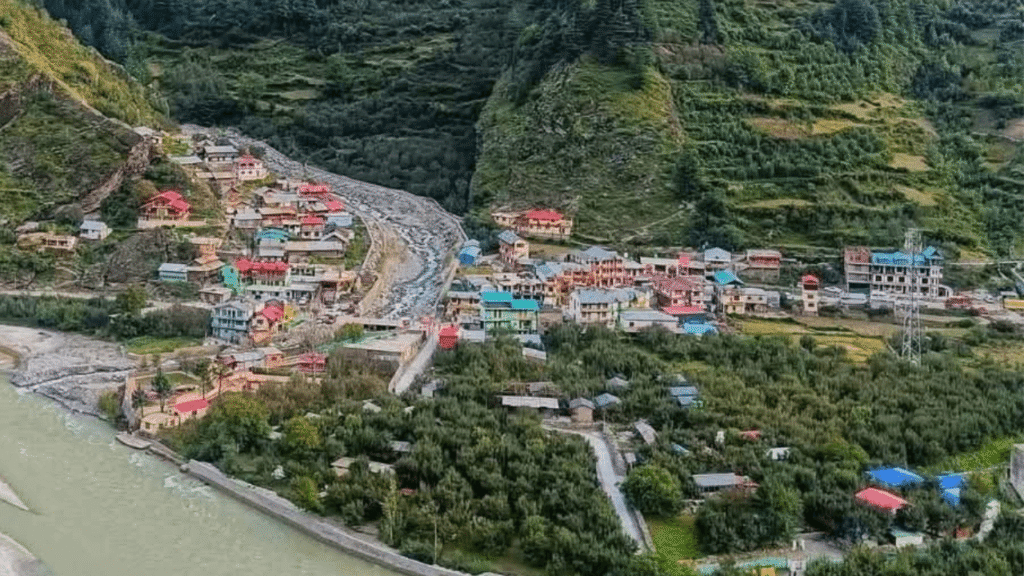
On 5 August 2025, the serene Himalayan village of Dharali — located in the Bhatwadi tehsil of Uttarkashi district, Uttarakhand — was hit by one of the most devastating natural disasters in recent memory. What began as an ordinary monsoon morning quickly turned into a catastrophe that caused widespread destruction, loss of life, and a long road to recovery for the people of the region.
When and Where It Happened
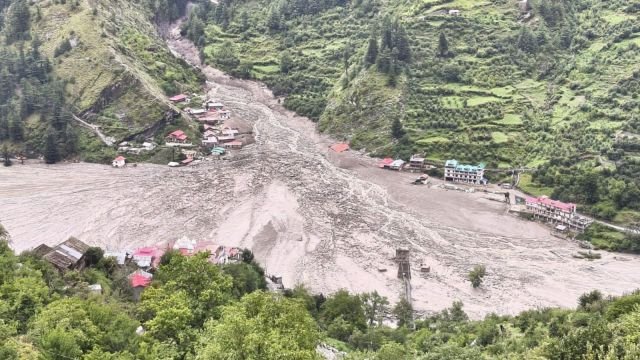
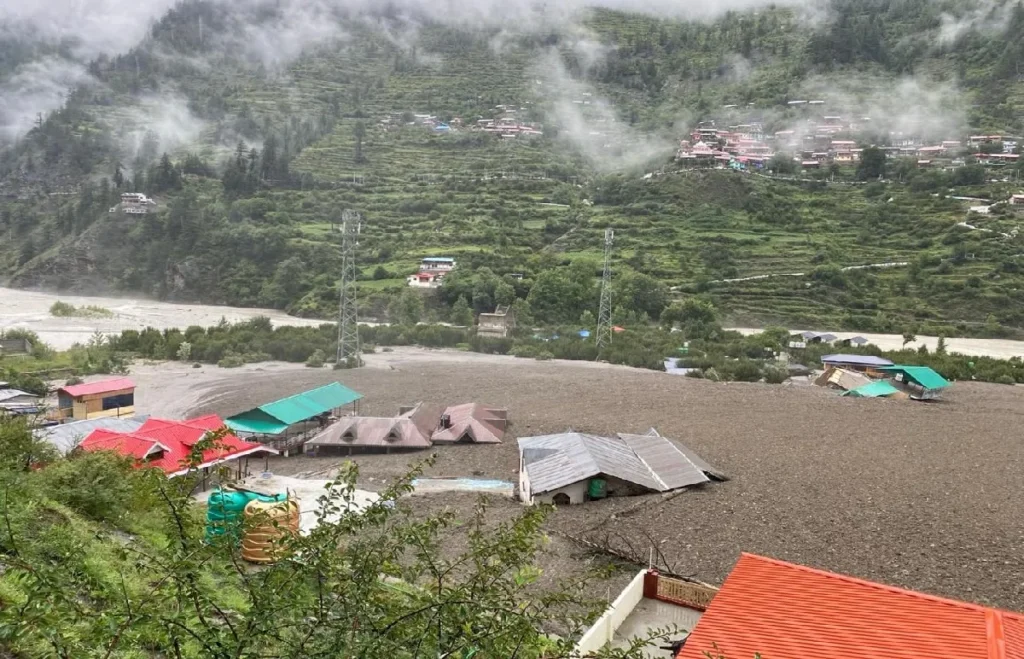
Dharali is a small mountain village nestled along the route to Gangotri Dham, a revered pilgrimage site. On the afternoon of 5 August 2025, sudden and intense rainfall triggered an enormous flash flood — locally attributed to a cloudburst — in the upper catchment of the Kheer Ganga river. Within moments, powerful torrents of water, mud, and debris swept down the slopes and engulfed the village and its surroundings.
Cause of the Disaster
While initial reports pointed towards a cloudburst — a sudden, extreme, and localized burst of rainfall — as the trigger, scientists and geologists continue to explore multiple possibilities behind this disaster. These include:
- Cloudburst-induced flash flooding
- Glacial lake outburst flood (GLOF)
- Glacier collapse or landslide
- Combination of extreme weather and Himalayan geology
Some experts have questioned the cloudburst theory and suggested that unstable mountain slopes, increased runoff, or glacial activity may have played significant roles.
What is clear from satellite data and field analysis — including ISRO and NRSC imagery — is that the magnitude of the flood was enormous, altering landscapes, widening river courses, and depositing massive debris fields across the region.
Rescue and Relief Efforts
Within hours of the disaster:
- Indian Army units, National Disaster Response Force (NDRF), and State Disaster Response Force (SDRF) were mobilized to conduct search and rescue missions.
- Helicopters were deployed to airlift stranded villagers and provide logistical support to cut-off areas.
- Local authorities and civil administration established helplines and relief camps for survivors and affected families.
The state government, led by Chief Minister Pushkar Singh Dhami, took command of the relief operations, coordinating between agencies, sending expert teams to assess damages, and setting up rehabilitation plans for survivors.
Wider Impact on Infrastructure and Community Life
The disaster didn’t just take lives — it disrupted everyday life in profound ways:
- Connectivity: Roads, bridges, and communication lines into Dharali were severely damaged or washed away, isolating many hamlets.
- Homes and Businesses: Dozens of homes, hotels, and homestays — especially along the pilgrimage route — were completely destroyed.
- Agriculture: Farmlands and orchards suffered heavy losses, affecting the livelihoods of local farmers.
Scientific and Environmental Lessons
The Dharali disaster has reignited discussions on several critical issues:
Climate Change and Extreme Weather
The Himalayan region is increasingly vulnerable to extreme rainfall events, glacial melt, and unstable geological conditions — risks that are amplified by climate change and warmer temperatures.
Development in Fragile Ecosystems
Unregulated construction, road building, and growing tourism infrastructure in sensitive mountain areas can exacerbate natural hazards by destabilizing slopes and altering natural drainage patterns.
Early Warning Systems
Efforts to enhance meteorological monitoring, improve real-time data from satellites, and implement early-warning networks are now recognized as urgent needs to mitigate future disasters in the Himalayas.
Looking Ahead: Recovery and Resilience
Months after the disaster, the path to recovery in Dharali continues:
- Relief teams, local authorities, and state agencies are working on rebuilding infrastructure.
- Restoration of roads and bridges, along with internet and power connectivity, has been gradually underway.
- Authorities and villagers alike are pushing for long-term risk reduction strategies, including safe settlement planning, hazard mapping, and eco-friendly development frameworks.
The Dharali disaster of 2025 stands as a sobering reminder of nature’s power, the vulnerability of mountain communities, and the critical need for sustainable and resilient planning in fragile landscapes.